
7 Toothbrush Numbers for {state} Households
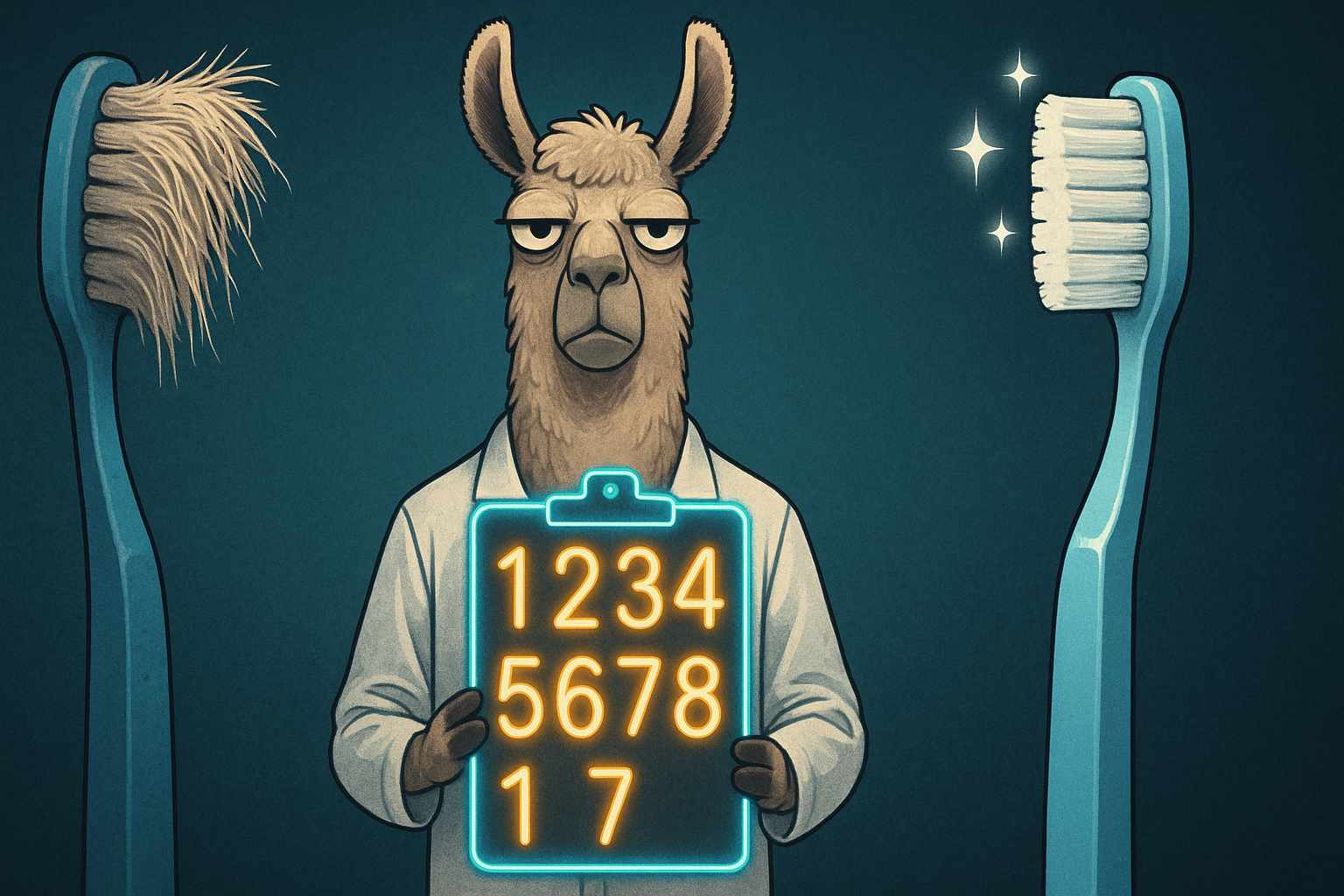
7 Numbers That Settle the Toothbrush Debate
Last Updated:
(Smart Smile)
In {state}, preventive habits and smart spending go hand in hand, and the manual versus electric toothbrush question is best answered by numbers that capture cost, convenience, and long‑term value.
1. $5 vs $60 Upfront
A solid manual brush typically runs $2–$7, while an entry rechargeable electric kit averages $30–$60, with premium models higher. Spread over three years, a $60 handle lands near 5 cents per day. If a lower upfront cost is paramount, manual wins; if durability and features matter, electric’s per‑day price stays surprisingly low.
Check Car Insurance While Timing a Two Minute Brush
In {state}, stacking smart habits pays twice: a healthier routine and potentially lower auto premiums discovered in the same two minutes it takes to brush.
How to save: Use {offer_name}, a free comparison tool that checks leading carriers without long forms or spam. Pop in a ZIP, answer a few driving questions, and get clear options. Compare Quotes Now.
Local edge: Carriers in {state} price in weather, traffic, and annual mileage—and many reward safe driving, bundling, and garaging.
Pro tip: Review your policy at each renewal to capture fresh discounts and improved driving records.
2. $12 vs $30 Per Year in Brush Heads
Replace brush heads every three months. Manual heads are the whole brush—about $2–$3 each—totaling roughly $8–$12 yearly. Electric heads are $5–$10 each, or about $20–$40 per year, often lower with multipacks or subscriptions. The ongoing cost gap is real, but not massive, and discounts can narrow it further.
3. 15–20% Better Plaque Reduction on Average
Independent reviews of oscillating or sonic models show meaningful plaque reductions—often around 15–20%—versus manual brushing over weeks to months. Results vary by technique and consistency, but the trend favors electric when the goal is measurable cleaning efficiency.
4. Two Minutes Twice a Day Adds 12 Hours of Guidance a Year
Timers and quadrant prompts help stick to the dentist‑recommended two minutes. If typical manual sessions drift to 45–70 seconds, an electric’s pacing can add roughly two extra minutes per day—about 12 hours of guided brushing a year—without any extra mental effort.
5. 3–5 Years of Handle Life
Most reputable electric handles last three to five years with proper care, and many include a 1–2 year warranty. That means a $60 handle used twice daily for four years costs about 2–3 cents per session before heads—small change for consistent features like timers and pressure control.
6. Pennies in Power
Rechargeable models typically sip less than 1 kWh annually, translating to only a few cents in electricity for most households. Battery replacements for non‑rechargeable models can raise lifetime costs, so favor rechargeable if minimizing ongoing spend is a priority.
7. Up to 60% Less Plastic Waste
Replacing a small brush head instead of an entire manual brush can cut plastic waste by an estimated 50–60% a year, depending on designs and frequency of replacement. If sustainability matters, an electric with long‑lasting handle and slim heads moves the needle.
Auto Insurance Savings Start in Two Minutes
Drivers in {state} can trim premiums by switching to modern pricing—like usage‑based programs that reward low mileage and safe habits—often unlocking double‑digit savings without sacrificing coverage.
Here's How You Do It
Step 1:
Look for your ZIP below and select it. If it is not listed, you can still check your zip code here.
Step 2:
Answer a few quick driving questions on {offer_name} and get instant, discounted quotes from top insurers. Or click here to check in 60 seconds and see carriers competing to beat the current rate.
